





Authors

Tyler Holderness
Doctoral Researcher
Deep Learning for Fly-tipped Waste Detection
Principal Investigators: Florian Urmetzer and Tyler Holderness, University of Cambridge
Council Partners: South Cambridgeshire District Council and Greater Cambridge Shared Waste Services
Fly-tipping is a significant environmental, financial, and public health challenge for local authorities, with over 1.15 million incidents recorded across England in 2023/24 alone. Current detection methods rely on residents reporting incidents, which can lead to delayed waste removal and increased pressure on council resources.
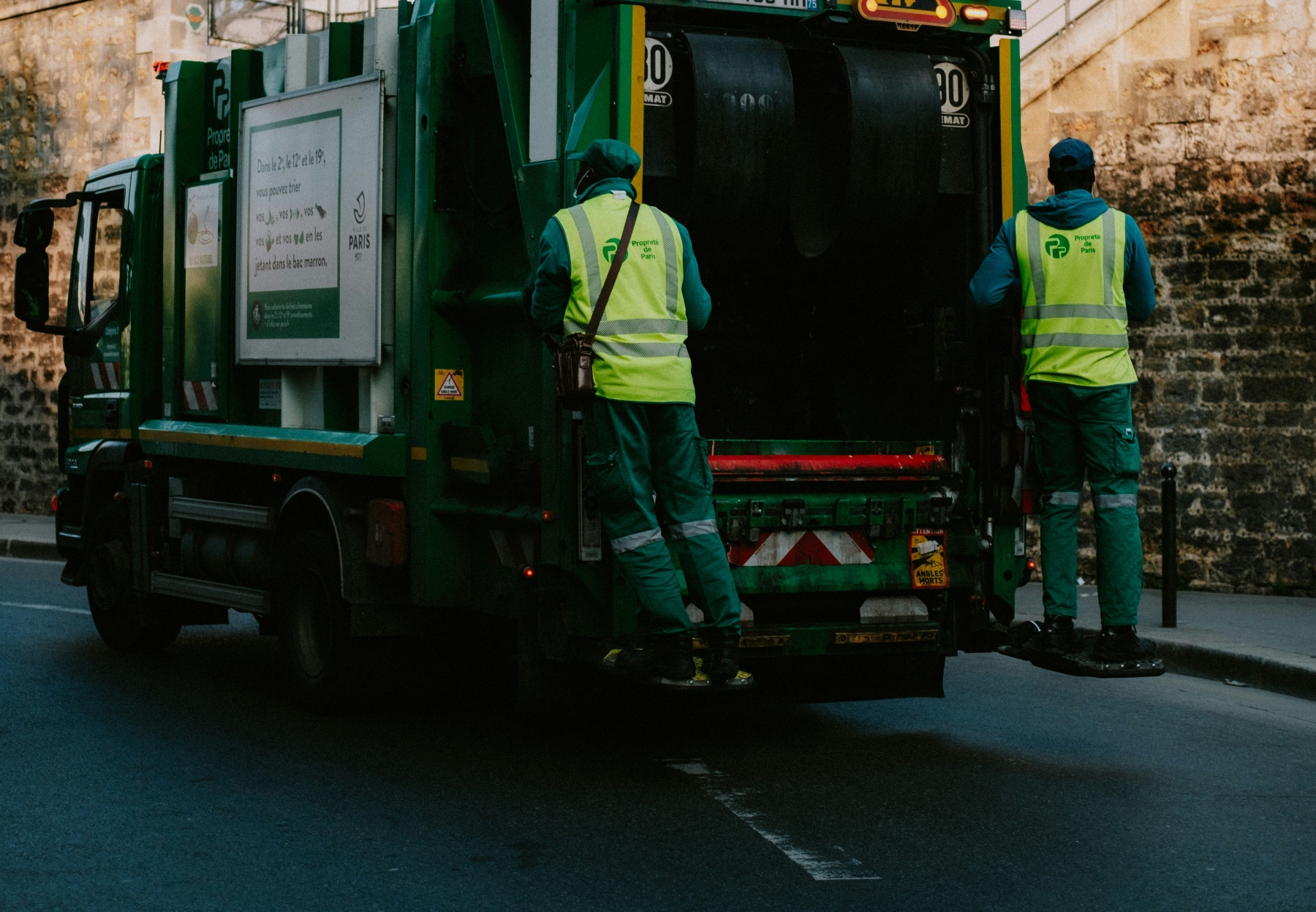
Councils already collect large volumes of street-level camera footage through refuse collection vehicles (RCVs). The proposed AI-powered fly-tipping detection system uses this footage to identify incidents automatically during routine waste collection rounds. The system detects and classifies fly-tipped waste using computer vision and deep learning models before review by council staff. It automatically captures key reporting information, including location, timestamp, waste description, and photographic evidence and integrates with existing council reporting systems to support faster investigation and response. Only necessary image data is retained and processed and facial images and licence plates are anonymised through automated blurring and secure data handling practices.
If successful, the same technology could also support detection of other public realm issues such as potholes, drainage faults, street lighting failures, and anti-social behaviour.