Boris Bolliet
Department of Physics





Department of Physics
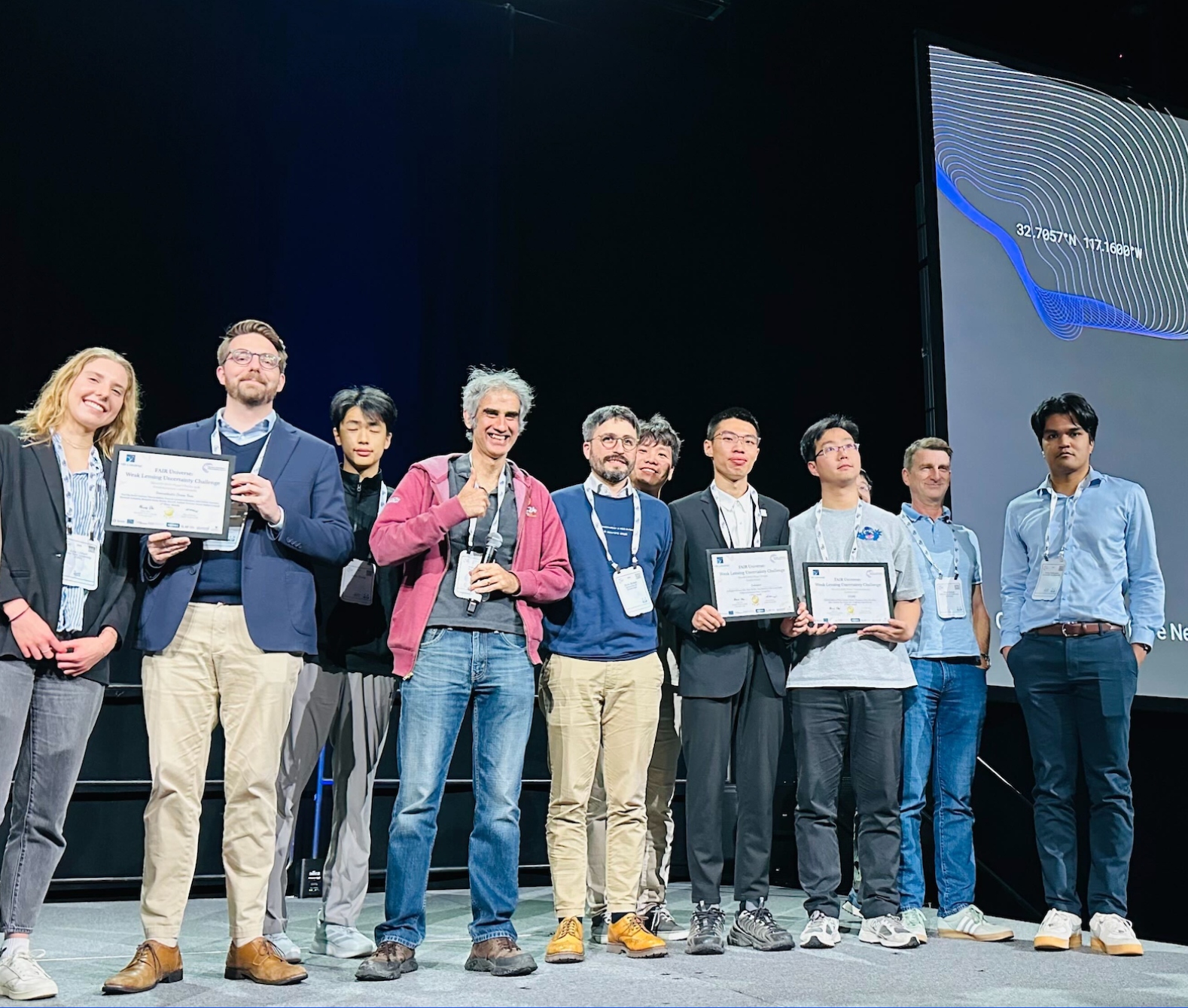
This project investigates how Large Language Models (LLMs) can be deployed within multi-agent systems to streamline and enhance scientific research workflows, accelerating the pace and reliability of discovery. Leveraging custom multi-agent AI systems, the team builds intelligent research assistants that can plan, execute and check complex tasks — from data analysis and simulation to idea generation and manuscript drafting.
This work extends beyond conventional chatbots, these AI agents are designed to collaborate like expert humans. They can break down scientific problems into manageable steps, retrieve and synthesise relevant literature, generate and test code, analyse data, and assist in drafting manuscripts. By assigning specialised roles, such as planner, engineer and critic, the system enables iterative reasoning, cross-verification and improved reliability. These agents have already demonstrated the ability to reproduce sophisticated cosmological data analyses in minutes rather than hours, a task previously requiring significant expert time.
The project’s ambition is to make these capabilities widely accessible through a scalable, web-based platform that integrates personalised research environments powered by AI agents. This platform will empower researchers, including early-career scientists, to tackle data-intensive challenges by reducing routine tasks and freeing up cognitive effort for creative problem-solving.
By rethinking how AI can participate in the research process, this work aims to accelerate scientific discovery and democratise access to advanced analytical tools across domains such as physics, machine learning, biology, and medicine.


