AI for Teaching and Learning
A funding call from ai@cam, supporting the people who shape teaching and learning at Cambridge to develop and test new approaches to excellent education in a world with AI.
- Closed on: 24 September 2026





A funding call from ai@cam, supporting the people who shape teaching and learning at Cambridge to develop and test new approaches to excellent education in a world with AI.
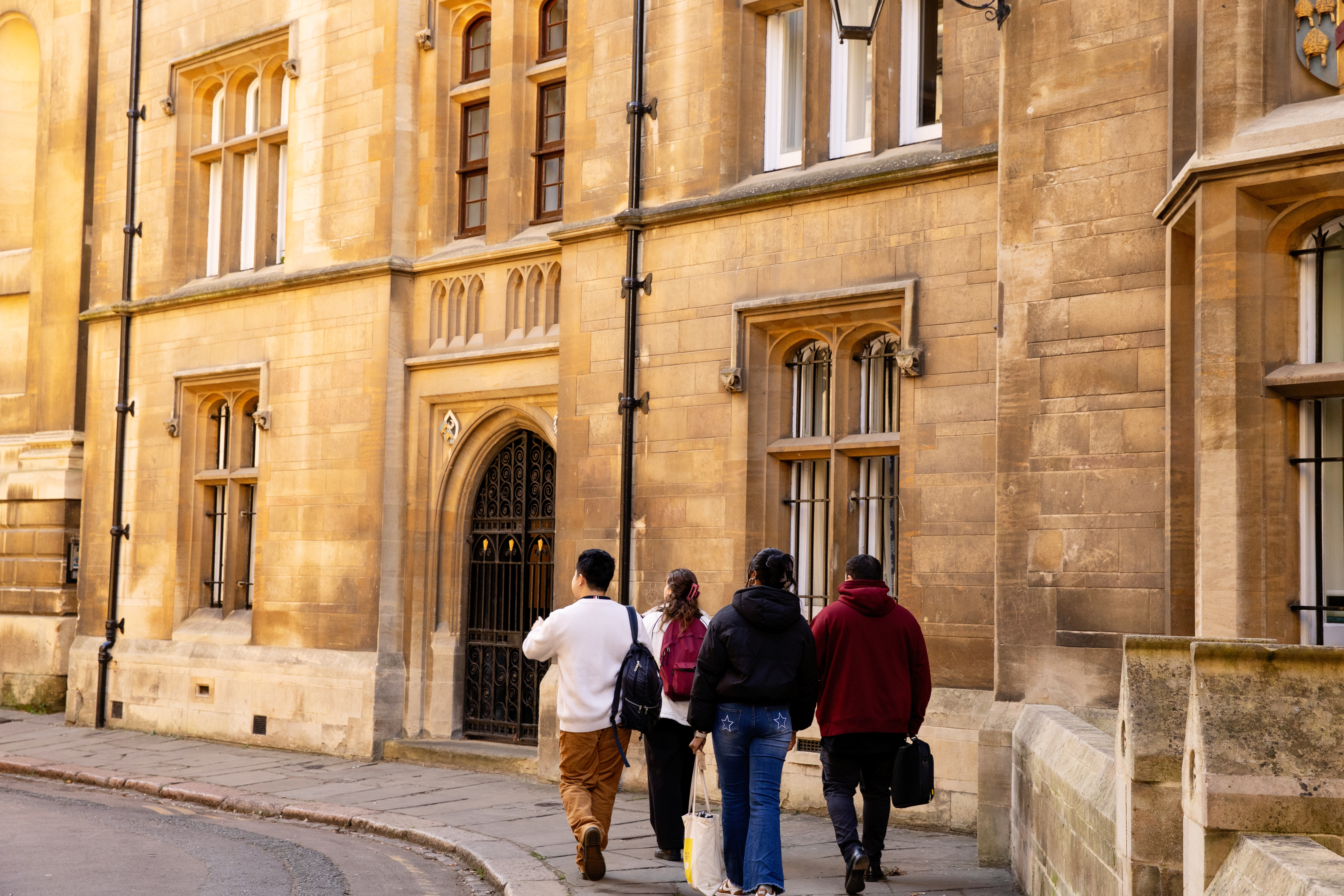
AI is changing the context in which teaching and learning happen. Students and academics have access to tools that can generate text, code and ideas, explain concepts and support their work. These capabilities create opportunities to improve education, but also challenge assumptions built into existing approaches to teaching and learning.
Cambridge has an opportunity to shape what excellent education looks like in this new context. ai@cam’s AI for Teaching and Learning call backs educators to do that work. It funds practical, six-month projects in which staff develop and test a new approach in their own teaching, with technical support from the AI Clinic and a community of other funded teams learning alongside them.
We are inviting applications until end of day (23:59) on Thursday 24 September 2026 via this link. Further information is below.
What this call is for
This call supports staff to develop and test practical approaches to teaching and learning in a world with AI.
Projects should start with a clear educational goal or question and develop a practical response. This might involve using AI to support teaching or learning; redesigning teaching in response to students’ use of AI; or developing new approaches to formative work, feedback or supervision as AI changes how students learn and produce work.
We are looking for educators who want to shape what excellent teaching looks like in this new context: to try new approaches, understand what works, and help Cambridge build better educational practice as AI capabilities and patterns of use continue to change.
Each project should involve a concrete change or intervention in a course, supervision, or teaching practice, and produce something others can use or learn from. This might include a redesigned element of a course; teaching or learning materials; a tool or resource; practical guidance; or evidence about how a new approach works in practice.
What the programme offers
Funded projects receive up to £10,000 for a six-month project, to cover implementation costs such as software subscriptions or resources for gathering student and staff input.
Teams get technical help with scoping and set-up through AI Clinic sessions with Accelerate Science’s Machine Learning Engineers during project set-up through the autumn, and join a community of funded teams for peer learning and shared documentation. Every project presents its work at a closing showcase.
We aim to notify applicants of the outcome during w/c 12 October. We expect that funded teams will take part in an opening workshop in November 2026, a community workshop during the project, and a final showcase in May/June 2027. Dates will be confirmed with successful applicants.
If you have questions about the initiative, check out our FAQs below.
Apply here
We’re convening this programme to help Cambridge develop and share practical evidence about excellent teaching and learning in a world with AI. The programme supports educators to develop practical responses to the changes AI is creating for teaching and learning, grounded in their educational goals, and to learn from what happens when those approaches are tried in practice. It also aims to build a network across the University through which what teams learn — including what does not work — can inform teaching practice and future guidance.
Projects might explore how AI can improve an aspect of teaching or learning; how teaching should be redesigned when students use AI as part of their work; how formative work or supervision can continue to develop and reveal student understanding; how educators can strengthen creativity, original thinking or disciplinary judgement in an AI-enabled environment; or how expectations about appropriate AI use can be translated into effective teaching practice. These are examples rather than priority topics. We welcome other questions grounded in a real teaching or learning challenge.
The call is open to everyone who shapes teaching and learning at the University of Cambridge: academics who teach, Directors of Studies, supervisors and examiners, as well as education managers and course administrators who design the educational experience. We welcome teams that bring these roles together.
No. What matters is a clear educational question and a willingness to learn. If you anticipate that your project will require significant development work to deliver, you should factor how to find this into your plans.
A strong proposal starts with an important question about teaching or learning, rather than with a particular AI tool. It should identify a concrete approach that can be developed and tested within six months, explain what the team hopes to learn, and consider relevant risks and the relationship with students. We are particularly interested in projects whose findings could be useful to colleagues beyond the immediate course or department.
Proposals will be judged on:
You will need to complete a short application form and upload a project proposal of no more than two A4 pages. Your proposal should tell us:
The application form will also ask for information about your project team, a short project summary, your budget, any support you may need from the AI Clinic, relevant risks and ethical considerations.
Up to £10,000 per project, used flexibly to enable the work. This might include software subscriptions, development or implementation costs, or resources for gathering student and staff input and evaluating what happens. Project must finish within six months and attend the launch workshop and closing showcase.
The General Board’s Education Committee has asked all Triposes to have clear student-facing guidance on the use of generative AI before the start of the next academic year, including expectations for formative and supervision work. This programme does not replace that process. It can help build the practical evidence and experience needed to inform future teaching practice and guidance as AI capabilities and patterns of student use continue to develop.
Each project must consider its risks, including academic integrity, fairness between students, data protection, and the relationship with students. The University’s current guidance on AI and education, generative AI tools, and data protection offers a place to start. Successful teams are responsible for obtaining any ethics approvals their project requires. You can see the relevant policy here.
Deadline for applications closes at 23:59 on Thursday 24 September 2026.
You can apply here. Please note: You will need to be signed in to your @cam.ac.uk account to access the application form.
We will let applicants know whether they have been funded in the week commencing 12 October.